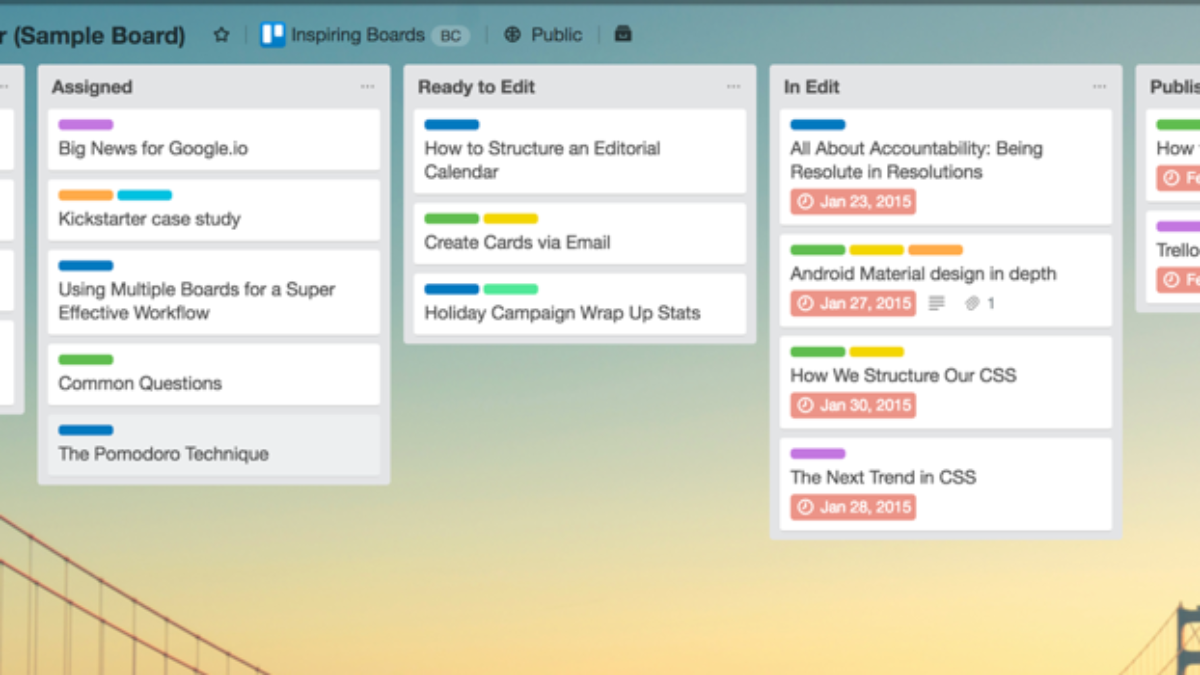
Managing a brand remotely is a challenge many businesses face today. You need consistent messaging, regular social media updates, and strong marketing campaigns. The main question that arises is whether to rely on an in-house team or hire a marketing agency. Understanding in house vs agency is key to making the right choice for your business.
Why Remote Brand Management Is Important
Remote brand management allows businesses to operate from anywhere. You no longer need a physical office to manage your marketing or customer engagement. Today, brands can reach global audiences while keeping teams distributed across cities or countries.
Consistency is critical. Brands that post regularly and maintain quality messaging grow faster. Without proper management, brands risk confusing customers, losing engagement, and missing growth opportunities.
What Does In House vs Agency Mean?
When you compare in house vs agency, there are two main options:
- In-house marketing team
You hire employees who work exclusively for your brand. They may include social media managers, content writers, designers, or SEO specialists. - Marketing agency
You hire an external company that handles branding, social media, campaigns, SEO, and advertising. Agencies may manage multiple clients at the same time.
Choosing between these options depends on your goals, budget, and the level of control you want.
Advantages of an In-House Marketing Team
Full control
When you have an in-house marketing team, your brand is their only focus. You can control every detail, from messaging and tone to visuals and style. This means your campaigns will always align with your vision, and you don’t have to rely on someone else to interpret your ideas.
Deep brand knowledge
In-house staff live and breathe your brand. Over time, they learn your products, services, audience, and company values inside out. This knowledge allows them to create content that resonates better with your customers and maintain consistent messaging across all platforms.
Faster adjustments
An in-house team can make changes immediately. If a campaign isn’t performing well or a trend emerges, your team can pivot quickly without waiting for approvals from an external agency. This speed can make a big difference in fast-moving markets like social media or e-commerce.
Team culture
A dedicated team becomes part of your company culture. They understand your goals, work habits, and brand personality. This shared culture improves collaboration, loyalty, and motivation. Team members are more invested in the brand’s success, which often leads to higher-quality work and innovative ideas.
Challenges of In-House Teams
Running an in-house marketing team can feel like having your own personal brand squad. However, there are some challenges to keep in mind.
Hiring can take time
Finding the right employees for every role, like social media managers, designers, content writers, and SEO specialists, takes effort. You need people who not only have the right skills but also fit your company culture. This can take weeks or even months.
Training costs
Even after hiring, your team needs time to learn your brand, processes, and goals. You may need to provide training, onboarding sessions, and mentorship. These steps require both time and money before the team becomes fully productive.
Management overhead
Managing an in-house team requires tools and systems. You may need project management software, calendars, and regular check-ins. Without proper supervision, tasks can be delayed or done incorrectly.
Limited expertise
Even a skilled team may not have advanced knowledge in every area. For example, paid advertising campaigns, SEO strategies for competitive niches, or advanced video production may require additional training or hiring specialists.
Benefits of Hiring a Marketing Agency
Agencies can handle many aspects of brand management that might be hard for an in-house team to cover.
Expertise at your fingertips
Marketing agencies have teams of professionals who already know the latest trends and best practices. They bring experience in social media, content marketing, SEO, paid ads, and branding. This expertise can save your business time and help achieve better results.
Quick campaign launches
Because agencies already have staff and systems in place, they can launch campaigns faster than an in-house team. You don’t have to spend months hiring or training people; they are ready to execute.
All-in-one solutions
Agencies often cover multiple services. They can create content, design visuals, manage campaigns, track performance, and provide reports all in one place. This reduces the need for multiple hires or software.
Less day-to-day management
You don’t have to oversee daily tasks. Agencies handle the workflow, so you can focus on strategy, planning, and growing your business.
Limitations of Agencies
Agencies offer many advantages, but like any service model, there can be a few considerations to keep in mind.
Shared decision-making
Since agencies work with multiple clients and projects at the same time, businesses may not be involved in every small decision. However, with clear communication and regular collaboration, agencies can align their creative ideas and messaging closely with your brand vision.
Investment in professional services
Agencies usually charge monthly retainers or project-based fees. While this can seem like a bigger investment for small businesses, it often includes access to a full team of specialists in areas such as SEO, social media management, and paid advertising, which can deliver strong long-term value.
Learning curve
Agencies need time to understand your brand, audience, and products. This means the first few weeks may be focused on research and strategy before results appear.
Comparing In-House vs Agency
Here’s a clear comparison to understand how these two options differ:
| Feature | In-House Team | Marketing Agency |
| Control | Full control over every task | Shared control, agency guides strategy |
| Expertise | Depends on team members | Access to specialists across multiple marketing areas |
| Cost | Salaries, benefits, tools | Retainer or project fee |
| Speed | Slower to launch new campaigns | Fast execution with existing systems |
| Focus | Works only on your brand | Experience working with different businesses |
Understanding these differences helps you choose the best approach for your brand depending on your budget, goals, and team size.
Cost Comparison: Which Option Is Cheaper?
In-house teams may seem cheaper over time because you only pay salaries and tools. But don’t forget hidden costs:
- Employee benefits
- Training and onboarding
- Software subscriptions
- Hiring delays
Agencies have higher upfront costs, often ranging from $2,000 to $10,000 per month, depending on services. However, they save you time, reduce management stress, and provide professional results quickly.
Your choice should depend on:
- How much control do you want
- Your available budget
- How quickly do you want results?
- The level of expertise your brand needs
When to Choose In-House vs Agency
In-house team is best for:
- Companies that need frequent content updates
- Brands that want full control over messaging
- Teams that can handle hiring and training
Agency is best for:
- Growing businesses that need scalable marketing support as they expand
- Companies lacking in-house expertise
- Brands seeking high-quality design and strategy
- Businesses that prefer less daily management
Common Tasks: How In-House Teams vs Agencies Handle Them
| Task | In-House Team | Marketing Agency |
| Content Creation | Fully internal | Outsourced |
| Paid Advertising | May need training | Managed by experts |
| SEO | Internal or limited | Advanced agency tools |
| Social Media | Team posts daily | Agency schedules and posts |
| Reporting | Manual | Automated and detailed |
This shows that in house vs agency decisions affect workflow, control, and speed.
Advantages of Combining Both Approaches
Some companies use a hybrid model, keeping an in-house team for strategy and hiring an agency for specialized campaigns like SEO or paid advertising. This gives flexibility and ensures quality while retaining some control.
Conclusion
Choosing between in house vs agency depends on your business goals, budget, and resources. In-house teams provide control, deep brand knowledge, and flexibility. Agencies provide expertise, speed, and less management stress.
Using the right tools and strategies, you can manage your brand remotely effectively, whether with a team, agency, or hybrid model.
Plan smartly, communicate clearly, and focus on growth. Remote brand management can be smooth and successful with proper planning.
FAQs
1. How to manage your brand remotely: in-house vs. agency effectively?
You can manage your brand by setting clear guidelines, using project management tools, and choosing the right option based on control, budget, and expertise.
2. What are the benefits of in-house marketing vs agency?
In-house marketing gives full control and deep brand knowledge. Agencies offer expertise, faster campaigns, and all-in-one services for multiple platforms.
3. How to compare a digital agency vs in-house team for small businesses?
Small businesses should compare costs, expertise, speed, and control. Agencies provide experienced specialists and can launch campaigns quickly, while in-house teams offer closer brand control and direct communication.
4. How to choose a marketing agency vs in-house team for SEO and paid advertising?
Agencies usually have advanced SEO tools and paid advertising experience. In-house teams work best for consistent messaging and internal strategy alignment.
5. What should businesses consider when deciding between agency services and in-house specialists?
Businesses should evaluate budget, expertise, flexibility, and long-term goals. Agencies provide access to specialized skills and faster execution, while in-house specialists allow direct control and deeper brand understanding.
Add a Comment