1

Create 30 Days of Content in Just 2 Days

Social media demands consistency. However, daily posting drains time and energy. Many creators and businesses struggle to stay active across platforms. This is where AI tools for social media completely change the game.

In 2026, automation allows you to create, optimize, and schedule a full month of content in just 48 hours. You no longer need to spend hours every day writing captions or editing posts.

Let’s get to know exactly how this works.

Why AI Tools for Social Media Matter in 2026

Algorithms reward consistency. They also reward quality.

AI tools for social media marketing help you achieve both without burnout. These tools generate captions, suggest hashtags, optimize posting times, and even create short videos.

The biggest advantage is speed.

AI tools that save time on social media management allow you to focus on strategy instead of repetitive tasks.

Instead of asking, “What should I post today?” you build a system.

Step-by-Step: How to Create 30 Days of Social Media Content in 2 Days

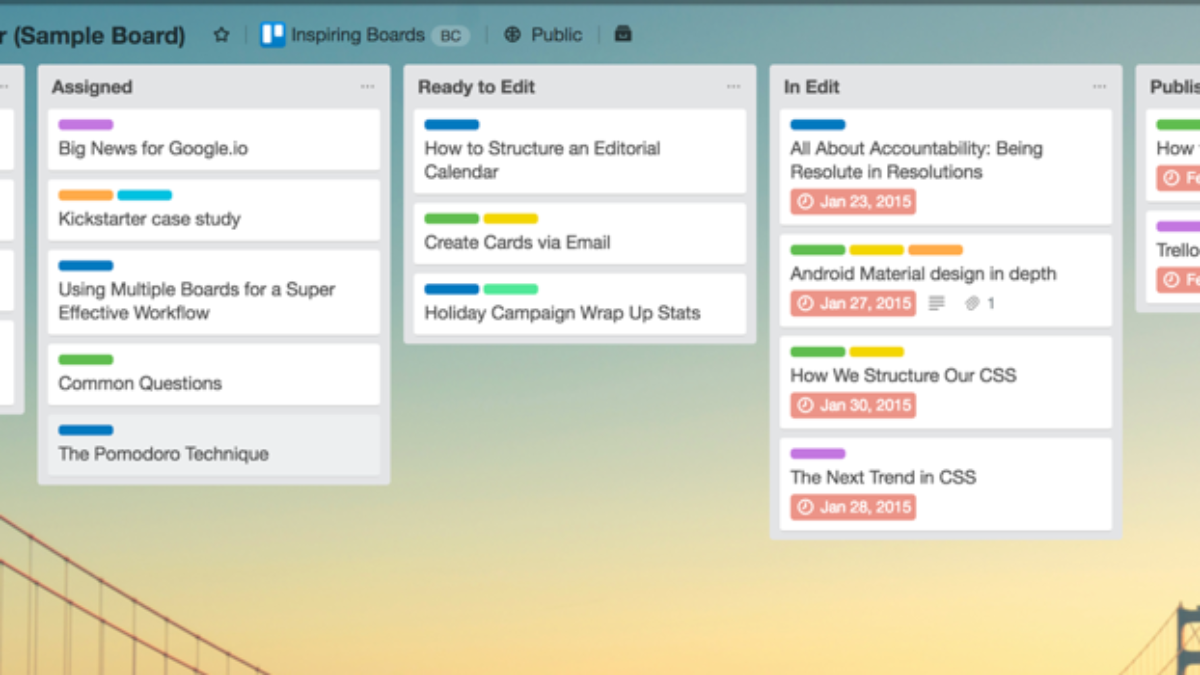
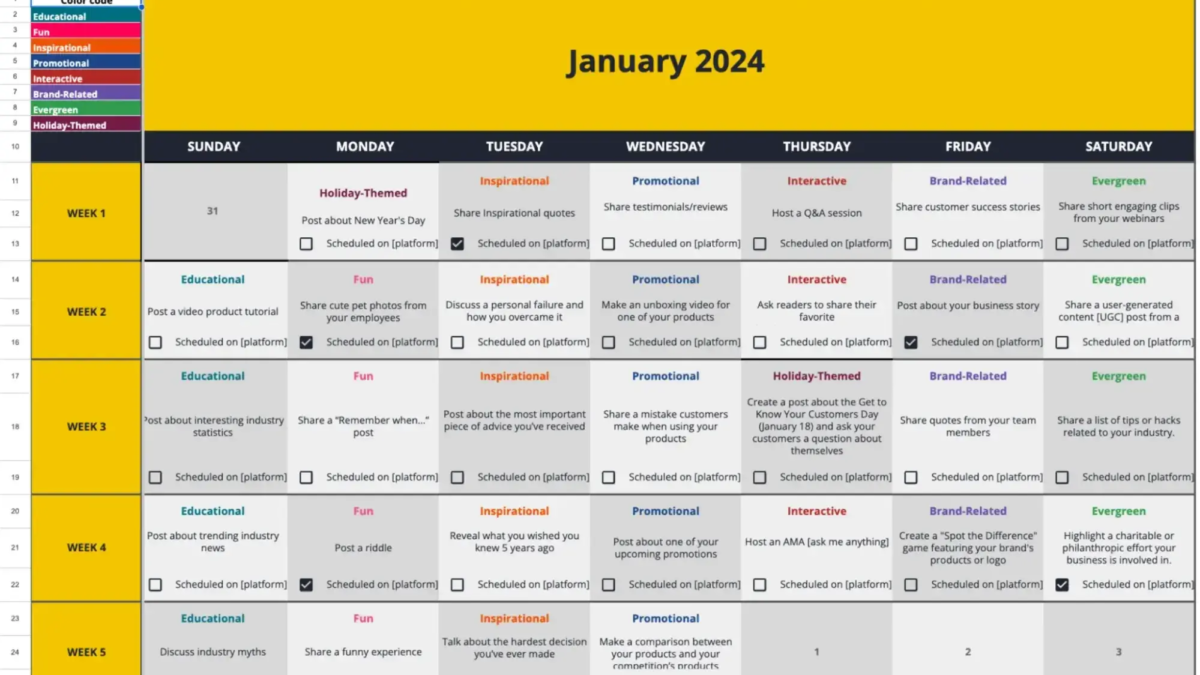
Here is a proven batching system using AI tools for social media.

Day 1: Content Planning and Creation

  1. Use AI for idea generation
  2. Generate captions in bulk
  3. Create graphics and short videos
  4. Repurpose long-form content into micro-posts

AI tools for social media content creation help generate 30-60 content ideas within minutes.

You can also use the best AI tools for creating social media posts to write engaging captions quickly.

Day 2: Optimization and Scheduling

  1. Optimize captions with keywords
  2. Add hashtags using aAIsearch optimization tools for social media
  3. Schedule all posts
  4. Automate publishing

This method answers the common question: How to automate social media posting with AI?

The answer is batching plus automation.

Best AI Tools for Social Media Content Creation

Here are the best AI tools for social media in 2026.

1. Million Dollar Funnel

Helps create high-converting marketing funnels and content strategies.
Perfect for AI tools for social media marketing and automated lead generation.

2. Jasper

Popular among marketers.
Strong for AI tools for social media marketing campaigns.

3. Copy.ai

Great for short captions and promotional posts.
Ranks among free AI tools for social media options with trial access.

These tools qualify as the best AI tools for creating social media posts quickly and efficiently.

Best AI Tools for Visual Content Creation

Visual content is essential for social media growth.
The best AI tools for creating visuals and creative media include:

1. Grok AI

Helps generate creative visuals and ideas using advanced AI capabilities.

2. Nano Banana

Creates unique AI visuals and experimental creative content quickly.

3. Sora GPT

Generates realistic videos and visuals using AI-powered prompts.

These tools help creators produce engaging visual content faster.
You can create high-quality visuals for social media in minutes.

AI Tools for Social Media Marketing and Automation

Serious brands need automation beyond captions.

AI tools for social media marketing help with:

  • Performance tracking
  • Audience insights
  • Optimal posting times
  • Automated reporting

The best AI search optimization tools for social media also help optimize captions for discoverability.

Businesses using these tools report major efficiency gains.

Free AI Tools for Social Media

Budget matters.

Free AI tools for social media include:

  • ChatGPT free plan
  • Canva free
  • Buffer-limited plan
  • CapCut AI features

Free AI tools for social media content scheduling allow small businesses to compete with larger brands.

You do not need expensive software to begin.

AI Tools for Scalable Social Media Video Production

Video dominates every platform.

The best AI-driven tool for scalable social media video production includes:

  • CapCut AI
  • Descript
  • Runway AI
  • HeyGen
  • Predis AI

These tools turn long videos into short-form clips automatically.

This solves the challenge of AI tools for scalable social media video production.You record once.
You publish multiple times.

AI Search Optimization Tools for Social Media

Optimization increases visibility.

AI search optimization tools for social media analysis:

  • Trending keywords
  • Hashtag performance
  • Competitor content
  • Search intent

Using the best AI search optimization tools for social media ensures your content reaches the right audience.

The upgraded versions in best AI search optimization tools for social media 2025 now include predictive analytics.

Benefits of AI Tools That Save Time on Social Media Management

AI tools for social media reduce:

  • Manual posting
  • Content burnout
  • Creative blocks
  • Time waste

They increase:

  • Productivity
  • Posting frequency
  • Engagement
  • Strategy focus

AI tools that save time on social media management allow creators to shift from reactive posting to strategic growth.

AI Tools for Social Media Content Creation and Automation

Combining content creation and automation builds a complete system.

AI tools for social media content creation and automation help you:

  • Generate scripts
  • Edit visuals
  • Schedule posts
  • Analyze performance

This integration helps maintain consistent posting without daily effort.

Best AI Tools for Social Media Marketing in 2026

The best AI tools for social media marketing in 2026 combine:

  • Content generation
  • Scheduling
  • Analytics
  • Optimization

Look for tools that integrate multiple platforms.

Scalability matters.

Who Should Use AI Tools for Social Media?

  • Content creators
  • Small business owners
  • Marketing agencies
  • Coaches
  • E-commerce brands

Anyone managing multiple platforms benefits from AI tools for social media.

Conclusion

AI tools for social media are no longer optional. They are essential. If you want consistency without burnout, automation is your advantage. Instead of spending hours daily, invest two focused days.

Plan smarter, post faster, and grow bigger. With AI handling the repetitive tasks, you can focus on what matters most: engaging your audience and turning ideas into results.

FAQs

  1. How can you create 30 days of social media content in 2 days?
    Start by batching content ideas and using AI tools like CapCut, Runway AI, and Predis AI to generate videos quickly. These tools help creators produce multiple posts in a short time.
  2. What are the best AI tools for social media marketing in 2026?
    Some of the top tools include CapCut AI, Runway AI, HeyGen, Predis AI, Grok AI, Nano Banana, and Sora GPT. These platforms help with video creation, visuals, and content production.
  3. Are there free AI tools for social media content creation?
    Yes. Many AI tools offer free plans or trials. CapCut and Predis AI provide free features that help creators produce social media content quickly.
  4. What are the best AI tools for creating social media visuals?
    Popular tools include Grok AI, Nano Banana, and Sora GPT. These AI platforms generate images, videos, and creative visuals from simple prompts.
  5. How do AI tools help improve social media reach?
    AI tools analyze trends, hashtags, and content formats. This helps creators produce posts that attract more engagement and visibility.
  6. Can AI tools handle social media content creation and automation together?
    Yes. Many AI platforms now combine content generation, video editing, and publishing support to simplify the social media workflow.
2

Best Video Editing Apps That Make Your Shorts Go Viral

Short-form content dominates social media in 2026. Reels, TikTok, and YouTube Shorts drive engagement faster than long videos. However, viral content depends heavily on choosing the best video editing app for your needs.

Creators now demand speed, automation, captions, trending templates, and mobile flexibility. The right video editing app helps you stay consistent and competitive.

Let’s learn the best video editing apps you should use this year.

Why Choosing the Best Video Editing App Matters

Attention spans are shorter than ever. Your hook must grab viewers within two seconds. A powerful video editing app allows quick cuts, smooth transitions, subtitles, and music syncing.

The best video editing app improves:

  • Watch time
  • Engagement rate
  • Shareability
  • Content quality
  • Brand authority

If you want consistent viral results, you must invest time in selecting the best app for video editing that matches your workflow.

1. CapCut: Best Video Editing App for TikTok Creators

CapCut continues to dominate short-form editing. Many creators consider it the best video editing app for TikTok and Instagram Reels.

Why it works:

  • Auto captions
  • AI background removal
  • Trending templates
  • Easy music syncing

CapCut also ranks among the best free video editing apps in 2026. You can access powerful features without paying upfront.

If you want the best app for video editing free, CapCut is a strong option.

2. Runway AI: Best AI Video Editing Tool for Creative Content

Runway AI is one of the most powerful tools for modern creators. Many professionals consider it the best video editing app when they want AI-powered editing features.

Unlike traditional editors, Runway AI allows users to generate and edit videos using artificial intelligence. Creators can transform simple ideas into professional videos within minutes.

Key features:

  • Text-to-video generation
  • Image-to-video animation
  • AI background removal (Green Screen)
  • Motion brush for object animation
  • Video-to-video style transformation

Creators searching for the best app for video editing often choose Runway because it simplifies complex editing tasks. The platform can even generate videos directly from text prompts.

If you want advanced AI video editing for social media, marketing, or creative projects, Runway AI is an excellent choice.

3. Adobe Premiere Pro: Professional-Level Video Editing App

Adobe Premiere Pro serves serious creators. It delivers advanced editing precision and full creative control.

It stands out as a professional best video editing app for YouTube Shorts creators who want cinematic results.

Why professionals choose it:

  • Advanced color grading
  • Audio mastering
  • Multi-camera editing
  • Custom animations

While not free, this video editing app supports scalable content production for brands and influencers.

4. HeyGen: AI Avatar Video Generator

HeyGen is an AI platform that creates videos using AI avatars and voiceovers. You simply write a script, and the AI generates a complete video with a talking presenter.

Key features

  • Text-to-video generation
  • AI avatars that speak your script
  • Voice cloning and realistic lip-sync
  • Video translation in 175+ languages
  • Templates for marketing and training videos

Creators often use HeyGen to produce explainer videos, marketing content, and faceless YouTube videos without recording themselves.

5. Predis AI: AI Social Media Video Creator

Predis AI is a tool designed mainly for social media content creation. It can automatically turn ideas, text, or product images into short videos.

Key features

  • Idea-to-video generation
  • Ready-made templates for Reels and ads
  • Automatic captions, transitions, and voiceovers
  • One-click resizing for TikTok, Instagram, and YouTube Shorts
  • Brand customization with logos, colors, and fonts

Many marketers use Predis AI to quickly create social media posts and promotional videos

6. Final Cut Pro: Best Video Editing App for Mac Users

Mac creators often choose Final Cut Pro. It delivers speed and professional results.

It competes strongly as the best video editing app for high-volume creators who produce daily Shorts.

Features include:

  • Magnetic timeline
  • Fast rendering
  • Motion graphics tools
  • Professional export settings

Although it is not the best free video editing app, its performance justifies the cost for serious creators.

Best Video Editing App for iPhone in 2026

iPhone creators need smooth mobile editing. The best video editing app for iPhone depends on your goals.

For quick social edits:

  • InShot
  • CapCut

For creative branding:

  • Canva

If you search for the best app for video editing for iPhone, prioritize ease of use and caption automation.

The best iPhone app for editing videos should save time while keeping the quality high.

Best Video Editing Apps Free vs Paid

Free apps now compete strongly with paid tools.

Best video editing apps free include:

  • CapCut
  • VN Video Editor
  • Canva (free plan)

Paid options provide:

  • Advanced effects
  • Brand integrations
  • Team collaboration
  • Higher export quality

The best free video editing app can work for beginners. However, professionals often upgrade for efficiency.

Choosing the best video editing app depends on your content volume and monetization goals.

How to Create Viral Shorts Faster in 2026

To maximize results:

  1. Batch record 5-10 videos at once.
  2. Use one video editing app consistently.
  3. Add captions for retention.
  4. Hook viewers in the first 2 seconds.
  5. Export in vertical 9:16 format.

The best video editing app supports quick duplication and template use. This speeds up your workflow dramatically.

Which AI Video Editing App Is Best for You?

  1. If you want quick social media edits and trending effects, choose CapCut.
  2. If you want AI-powered video generation and advanced editing, choose Runway AI.
  3. If you want AI avatar videos for presentations or marketing, choose HeyGen.
  4. If you want fast social media content creation with AI, choose Predis AI.

The best AI video editing app is the one that fits your content style, workflow, and publishing goals.

Consistency matters more than complexity.

Conclusion

The competition for short-form attention keeps increasing. However, the right video editing app gives you an advantage.

The best video editing app helps you create, edit, and publish faster. It improves quality and saves time. Whether you choose free tools or premium software, focus on consistency. In 2026, creators who master short-form editing tools will dominate Reels,  TikTok, and YouTube Shorts. Choose smart. Edit fast. Publish daily.

FAQs

  1. What is the best free AI video editing app right now?
    CapCut is widely considered the best free AI video editing app in 2026. It provides AI captions, smart cuts, and trending effects without requiring advanced editing skills.
  2. Which AI tool is best for generating videos automatically?
    Runway AI is one of the best tools for automatic video generation. It allows creators to produce videos using text prompts, AI editing tools, and smart effects.
  3. What is the best AI video tool for avatar videos?
    HeyGen is popular for AI avatar videos. Users can write a script and generate a video where an AI presenter speaks the content naturally.
  4. Which AI video tool is best for social media marketing videos?
    Predis AI is designed for social media creators and marketers. It can turn ideas, product images, or short text into ready-to-publish videos.

Do professionals use AI video editing apps?
Yes. Many professionals now use tools like Runway AI and CapCut to speed up editing, generate content ideas, and create high-quality videos faster.

3

UGC Pricing Guide 2026: What Content Creators Should Charge

The demand for UGC content has exploded in 2026. Brands now rely heavily on real people instead of traditional ads. They want authentic voices. They want relatable faces. They want content that feels natural.

But the big question remains: how much does a UGC content creator actually earn in 2026?

The answer depends on skill level, niche, platform, and pricing strategy. Some creators earn a few hundred dollars monthly. Others build six-figure yearly businesses from UGC content alone.

Before we discuss numbers, let’s answer something important.

What Is UGC Content?

UGC content stands for user-generated content. It is content created by everyday consumers or freelance creators instead of the brand itself.

This includes:

  • Short-form product videos
  • Testimonial videos
  • Unboxing clips
  • Lifestyle product demos
  • Educational content
  • Paid social ads content

A UGC content creator produces this content for brands. However, unlike influencers, they do not always post it on their own accounts. Brands often run it as ads.

This shift has changed digital marketing rates completely. Authentic videos now outperform traditional commercials.

And that means opportunity.

Why UGC Content Is Dominating in 2026

User-generated content marketing works because people trust people. They do not trust polished ads as much anymore.

Brands invest more in:

  • TikTok ads
  • Instagram Reels ads
  • E-learning product videos
  • App demonstration content

This is why UGC content creation has become a serious business model.

The creator economy income structure has evolved. A UGC content creator now operates like a freelance production studio.

How Much Does a Beginner UGC Content Creator Earn in 2026?

Many new creators ask: How much does a beginner UGC content creator earn in 2026?

A beginner UGC content creator typically earns:

  • $100–$250 per 30-second video
  • $300–$800 for 3-video bundles
  • $1,000+ with small monthly retainers

Most beginners undervalue their UGC content. However, brands understand the value of authentic short-form video pricing.

Even if you have zero followers, you can earn because brands care about performance, not popularity.

UGC Content Creator Earnings Per Platform

Not all platforms pay equally. Let’s break down UGC content creator earnings per platform.

TikTok UGC Creator Earnings in 2026

TikTok remains the king of paid social ads content. A UGC content creator on TikTok earns:

  • $150–$400 per organic-style video
  • $500–$1,500 for paid ads content
  • $2,000+ monthly retainers

TikTok content performs well in user-generated content marketing campaigns.

Instagram UGC Content Pricing Structure

Instagram remains strong for lifestyle and beauty brands.

Instagram UGC content pricing structure often includes:

  • $200–$500 per Reel
  • $800–$2,000 for ad usage
  • Higher content licensing fees for extended rights

An experienced UGC content creator who understands paid ad strategy can charge significantly more.

UGC Creator Rates Per 30-Second Video

Short-form video pricing continues to dominate.

UGC creator rates per 30-second video in 2026:

  • Beginner: $100–$250
  • Intermediate: $300–$700
  • Expert: $800–$2,500

When pricing UGC content, remember that ad usage multiplies value.

A UGC content creator should never price only production. You must also price usage.

How to Price UGC Videos for Brands

Pricing feels confusing at first. But it becomes simple when you break it into parts.

Here is how to calculate UGC content rates:

  1. Base creation fee
  2. Editing complexity
  3. Scriptwriting
  4. Hook variations
  5. Usage rights duration
  6. Paid ads licensing
  7. Revisions

Example:

  • Base video: $300
  • Editing complexity: $100
  • 3-month ad usage: $400
    Total: $800

This is how to price UGC videos for brands professionally. Never send random numbers. Always break your quote into sections.

Pricing for Beginner vs Expert Creators

Let’s simplify this clearly.

Beginner UGC content creators should consider:

  • Skill level
  • Editing quality
  • Scriptwriting ability
  • Market demand
  • Niche profitability

Beginner focus: portfolio building and testimonials.

Expert UGC content creator should consider:

  • Proven ad performance
  • Conversion rate impact
  • Long-term brand partnerships
  • Advanced storytelling
  • Content usage rights agreement terms

Experts charge more because they understand the user-generated content marketing strategy.

The difference between $200 and $2,000 videos is not equipment. It is a strategy.

UGC Paid Ads Pricing Guide

When UGC content is used for paid ads, rates increase.

UGC paid ads pricing guide:

  • 30-day ad usage: +50% of base fee
  • 3-month usage: +100%
  • 6-month usage: +150%
  • Whitelisting: premium pricing

This is where content licensing fees matter.

A professional UGC content creator always separates the creation fee and the usage fee.

How to Negotiate UGC Brand Deals

How to negotiate UGC brand deals confidently:

  1. Ask about usage duration.
  2. Ask about ad spend.
  3. Clarify platform distribution.
  4. Offer tiered packages.
  5. Stay silent after quoting the price.

Never reduce the price immediately. Instead, reduce deliverables. Strong brand partnerships come from clarity, not desperation.

UGC Monthly Retainer Pricing Examples

Retainers create a stable income.

UGC monthly retainer pricing examples:

Basic Retainer:

  • 4 videos
  • Organic usage only
  • $1,200

Growth Retainer:

  • 8 videos
  • Paid ad rights
  • $3,000–$5,000

Elite Retainer:

  • 12 videos
  • Full licensing
  • Strategic consulting
  • $8,000+

Many full-time UGC content creator professionals scale using retainers.

Influencer vs UGC Creator Earnings

Influencer vs UGC creator earnings differ greatly. Influencers earn through audience reach.

A UGC content creator earns through performance-based digital marketing rates. You do not need followers. You need skill. That makes UGC content accessible to more people.

The Future of UGC Content Creation in 2026

UGC content creation continues to grow because:

  • Consumers trust people over brands.
  • Short-form video pricing remains affordable for brands.
  • AI tools speed up editing workflows.
  • Brands prioritize conversion over vanity metrics.

The creator economy income landscape favors skilled creators who understand strategy.

A skilled UGC content creator in 2026 operates like a micro production agency.

Conclusion

UGC content is not a trend. It is a marketing shift. A serious UGC content creator treats this like a business. They study user-generated content marketing. They understand content licensing fees. They master short-form video pricing.

In 2026, opportunity favors those who understand value. If you position yourself correctly, UGC content can become a high-income skill that changes your financial future.

The question is not whether brands are paying. The question is whether you are charging correctly.

FAQs

  1. How much does a beginner UGC content creator earn in 2026?
    A beginner UGC content creator typically earns between $500 and $2,000 per month, depending on consistency and pricing strategy.
  2. What should I charge for UGC content in 2026?
    You should charge $100 to $250 per 30-second video as a beginner and increase rates with experience and ad usage rights.
  3. How do I calculate UGC content rates?
    Add base production cost, editing, revisions, usage rights, and licensing fees to calculate fair pricing.
  4. What is the average UGC creator income per month in 2026?
    The average income ranges from $2,000 to $6,000 monthly for intermediate creators.
  5. How do I negotiate UGC brand deals?
    Ask about usage rights, ad spend, and duration before quoting your price.
  6. Do I need followers to become a UGC content creator?
    No. A UGC content creator focuses on content production, not audience size.

How much can an expert UGC content creator earn?
An expert UGC content creator can earn $10,000 or more per month through retainers and paid ads content.

4

How to Manage Your Brand Remotely: In-House vs Agency

Managing a brand remotely is a challenge many businesses face today. You need consistent messaging, regular social media updates, and strong marketing campaigns. The main question that arises is whether to rely on an in-house team or hire a marketing agency. Understanding in house vs agency is key to making the right choice for your business.

Why Remote Brand Management Is Important

Remote brand management allows businesses to operate from anywhere. You no longer need a physical office to manage your marketing or customer engagement. Today, brands can reach global audiences while keeping teams distributed across cities or countries.

Consistency is critical. Brands that post regularly and maintain quality messaging grow faster. Without proper management, brands risk confusing customers, losing engagement, and missing growth opportunities.

What Does In House vs Agency Mean?

When you compare in house vs agency, there are two main options:

  1. In-house marketing team
    You hire employees who work exclusively for your brand. They may include social media managers, content writers, designers, or SEO specialists.
  2. Marketing agency
    You hire an external company that handles branding, social media, campaigns, SEO, and advertising. Agencies may manage multiple clients at the same time.

Choosing between these options depends on your goals, budget, and the level of control you want.

Advantages of an In-House Marketing Team

Full control
When you have an in-house marketing team, your brand is their only focus. You can control every detail, from messaging and tone to visuals and style. This means your campaigns will always align with your vision, and you don’t have to rely on someone else to interpret your ideas.

Deep brand knowledge
In-house staff live and breathe your brand. Over time, they learn your products, services, audience, and company values inside out. This knowledge allows them to create content that resonates better with your customers and maintain consistent messaging across all platforms.

Faster adjustments
An in-house team can make changes immediately. If a campaign isn’t performing well or a trend emerges, your team can pivot quickly without waiting for approvals from an external agency. This speed can make a big difference in fast-moving markets like social media or e-commerce.

Team culture
A dedicated team becomes part of your company culture. They understand your goals, work habits, and brand personality. This shared culture improves collaboration, loyalty, and motivation. Team members are more invested in the brand’s success, which often leads to higher-quality work and innovative ideas.

Challenges of In-House Teams

Running an in-house marketing team can feel like having your own personal brand squad. However, there are some challenges to keep in mind.

Hiring can take time
Finding the right employees for every role, like social media managers, designers, content writers, and SEO specialists, takes effort. You need people who not only have the right skills but also fit your company culture. This can take weeks or even months.

Training costs
Even after hiring, your team needs time to learn your brand, processes, and goals. You may need to provide training, onboarding sessions, and mentorship. These steps require both time and money before the team becomes fully productive.

Management overhead
Managing an in-house team requires tools and systems. You may need project management software, calendars, and regular check-ins. Without proper supervision, tasks can be delayed or done incorrectly.

Limited expertise
Even a skilled team may not have advanced knowledge in every area. For example, paid advertising campaigns, SEO strategies for competitive niches, or advanced video production may require additional training or hiring specialists.

Benefits of Hiring a Marketing Agency

Agencies can handle many aspects of brand management that might be hard for an in-house team to cover.

Expertise at your fingertips
Marketing agencies have teams of professionals who already know the latest trends and best practices. They bring experience in social media, content marketing, SEO, paid ads, and branding. This expertise can save your business time and help achieve better results.

Quick campaign launches
Because agencies already have staff and systems in place, they can launch campaigns faster than an in-house team. You don’t have to spend months hiring or training people; they are ready to execute.

All-in-one solutions
Agencies often cover multiple services. They can create content, design visuals, manage campaigns, track performance, and provide reports all in one place. This reduces the need for multiple hires or software.

Less day-to-day management
You don’t have to oversee daily tasks. Agencies handle the workflow, so you can focus on strategy, planning, and growing your business.

Limitations of Agencies

Agencies offer many advantages, but like any service model, there can be a few considerations to keep in mind.

Shared decision-making

Since agencies work with multiple clients and projects at the same time, businesses may not be involved in every small decision. However, with clear communication and regular collaboration, agencies can align their creative ideas and messaging closely with your brand vision.

Investment in professional services

Agencies usually charge monthly retainers or project-based fees. While this can seem like a bigger investment for small businesses, it often includes access to a full team of specialists in areas such as SEO, social media management, and paid advertising, which can deliver strong long-term value.

Learning curve
Agencies need time to understand your brand, audience, and products. This means the first few weeks may be focused on research and strategy before results appear.

Comparing In-House vs Agency

Here’s a clear comparison to understand how these two options differ:

FeatureIn-House TeamMarketing Agency
ControlFull control over every taskShared control, agency guides strategy
ExpertiseDepends on team membersAccess to specialists across multiple marketing areas
CostSalaries, benefits, toolsRetainer or project fee
SpeedSlower to launch new campaignsFast execution with existing systems
FocusWorks only on your brandExperience working with different businesses

Understanding these differences helps you choose the best approach for your brand depending on your budget, goals, and team size.

Cost Comparison: Which Option Is Cheaper?

In-house teams may seem cheaper over time because you only pay salaries and tools. But don’t forget hidden costs:

  • Employee benefits
  • Training and onboarding
  • Software subscriptions
  • Hiring delays

Agencies have higher upfront costs, often ranging from $2,000 to $10,000 per month, depending on services. However, they save you time, reduce management stress, and provide professional results quickly.

Your choice should depend on:

  • How much control do you want
  • Your available budget
  • How quickly do you want results?
  • The level of expertise your brand needs

When to Choose In-House vs Agency

In-house team is best for:

  • Companies that need frequent content updates
  • Brands that want full control over messaging
  • Teams that can handle hiring and training

Agency is best for:

  • Growing businesses that need scalable marketing support as they expand
  • Companies lacking in-house expertise
  • Brands seeking high-quality design and strategy
  • Businesses that prefer less daily management

Common Tasks: How In-House Teams vs Agencies Handle Them

TaskIn-House TeamMarketing Agency
Content CreationFully internalOutsourced
Paid AdvertisingMay need trainingManaged by experts
SEOInternal or limitedAdvanced agency tools
Social MediaTeam posts dailyAgency schedules and posts
ReportingManualAutomated and detailed

This shows that in house vs agency decisions affect workflow, control, and speed.

Advantages of Combining Both Approaches

Some companies use a hybrid model, keeping an in-house team for strategy and hiring an agency for specialized campaigns like SEO or paid advertising. This gives flexibility and ensures quality while retaining some control.

Conclusion

Choosing between in house vs agency depends on your business goals, budget, and resources. In-house teams provide control, deep brand knowledge, and flexibility. Agencies provide expertise, speed, and less management stress.

Using the right tools and strategies, you can manage your brand remotely effectively, whether with a team, agency, or hybrid model.

Plan smartly, communicate clearly, and focus on growth. Remote brand management can be smooth and successful with proper planning.

FAQs

1. How to manage your brand remotely: in-house vs. agency effectively?
You can manage your brand by setting clear guidelines, using project management tools, and choosing the right option based on control, budget, and expertise.

2. What are the benefits of in-house marketing vs agency?
In-house marketing gives full control and deep brand knowledge. Agencies offer expertise, faster campaigns, and all-in-one services for multiple platforms.

3. How to compare a digital agency vs in-house team for small businesses?
Small businesses should compare costs, expertise, speed, and control. Agencies provide experienced specialists and can launch campaigns quickly, while in-house teams offer closer brand control and direct communication.

4. How to choose a marketing agency vs in-house team for SEO and paid advertising?
Agencies usually have advanced SEO tools and paid advertising experience. In-house teams work best for consistent messaging and internal strategy alignment.

5. What should businesses consider when deciding between agency services and in-house specialists?

Businesses should evaluate budget, expertise, flexibility, and long-term goals. Agencies provide access to specialized skills and faster execution, while in-house specialists allow direct control and deeper brand understanding.